
Mammography Services in Gujranwala
A mammogram is a breast X-ray that can find changes too small to feel. Many women in Gujranwala put it off — because it feels awkward, or because they are not sure what happens. At Al-Amin Diagnostic Center, Munir Chowk, DHQ Hospital Civil Lines, the test is done by a female technologist, in a private room, at your pace, with staff who explain everything first. Early checking is the whole point: when something is found early, treatment is simpler and works better.
Mammography Services in Gujranwala
A mammogram is a breast X-ray that can find changes too small to feel. Many women in Gujranwala put it off — because it feels awkward, or because they are not sure what happens. At Al-Amin Diagnostic Center, Munir Chowk, DHQ Hospital Civil Lines, the test is done by a female technologist, in a private room, at your pace, with staff who explain everything first. Early checking is the whole point: when something is found early, treatment is simpler and works better.
What is Mammography?
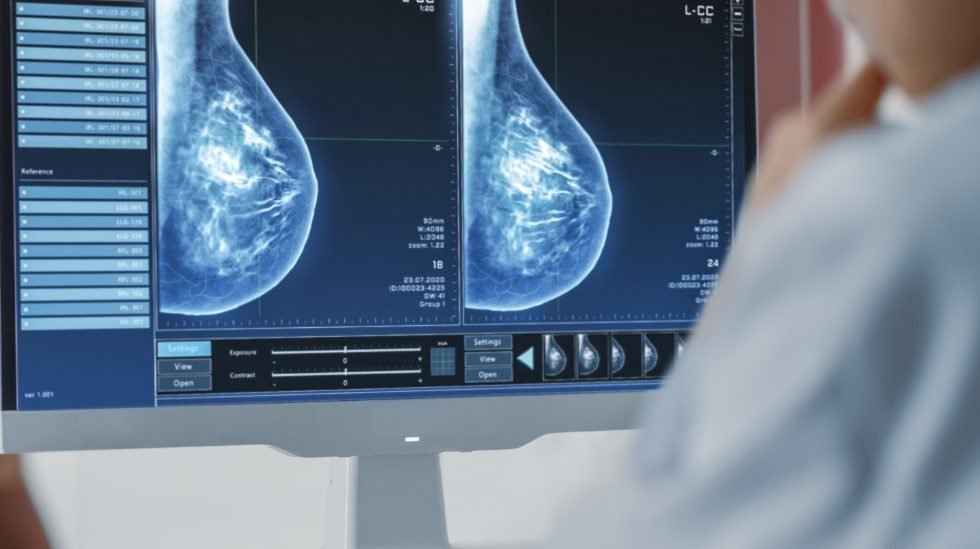
Mammography is a low-dose X-ray of the breast. It takes detailed pictures that can show lumps, tiny calcium spots, and other changes long before they can be felt by hand. Doctors use it in two ways: as a routine check for women with no symptoms, and to look closer when there is a lump, pain, nipple discharge, or a change in the shape of the breast. The whole appointment usually takes about 20 to 30 minutes.
Why Mammography Matters
- Finds breast changes early — often years before they can be felt
- Early finding means simpler treatment and better chances
- Recommended as a routine check for women over 40, or earlier if your doctor advises
- Also used to check a lump, pain, or discharge your doctor wants looked at
- A normal result gives real peace of mind; an unclear result gets a clear next step
What Happens During a Mammogram?
A female technologist will take you to a private room and give you a gown. She places one breast at a time on the machine and gently presses it between two plates for a few seconds while the picture is taken. The pressure can feel uncomfortable — most women describe it as tightness rather than pain — and it lasts only a few seconds per picture. Two pictures of each breast are usually taken. You can ask her to pause at any time. A female family member is welcome to wait with you, and our staff will keep the room private throughout.
How to Prepare for Your Mammogram
A little preparation makes the appointment smoother. If you have had a mammogram before, bring the old pictures and reports — comparing them with the new ones helps the radiologist see what has changed.
- Wear a two-piece outfit (a top and trousers or shalwar) so you only need to remove the top
- Do not use deodorant, talcum powder, or lotion on your breasts or underarms that day — they can show up on the picture
- Bring your doctor's referral and any previous mammogram reports
- If you can, book for the week after your period, when breasts are usually less tender
- Tell us if you have breast implants, or if you are pregnant or breastfeeding
What Does a Mammogram Cost in Gujranwala?
The price depends on whether one breast or both are being checked. Prices for mammography in Gujranwala vary between centres, so a single number online rarely tells you what you will actually pay. Call us on +92 306 7622091 and tell us what your doctor has asked for — one side or both — and we will give you the exact price before you book, with no hidden charges.
Breast Screening in Gujranwala — At Munir Chowk
We are at Munir Chowk, DHQ Hospital Civil Lines, Gujranwala — easy to reach from Civil Lines, Satellite Town, Model Town, and the hospital itself. Women from Gujrat, Wazirabad, Kamoke, and nearby towns also come to us for screening. If you are unsure whether you need a mammogram, or which type, call us and we will explain it plainly — no pressure to book.
Private & Respectful
A female technologist, a private room, your pace — and staff who explain every step first.
Early Detection
Finds changes years before they can be felt — when treatment is simplest.
Reports in 24–48 Hours
Most reports ready within a day or two, written for your doctor to act on.